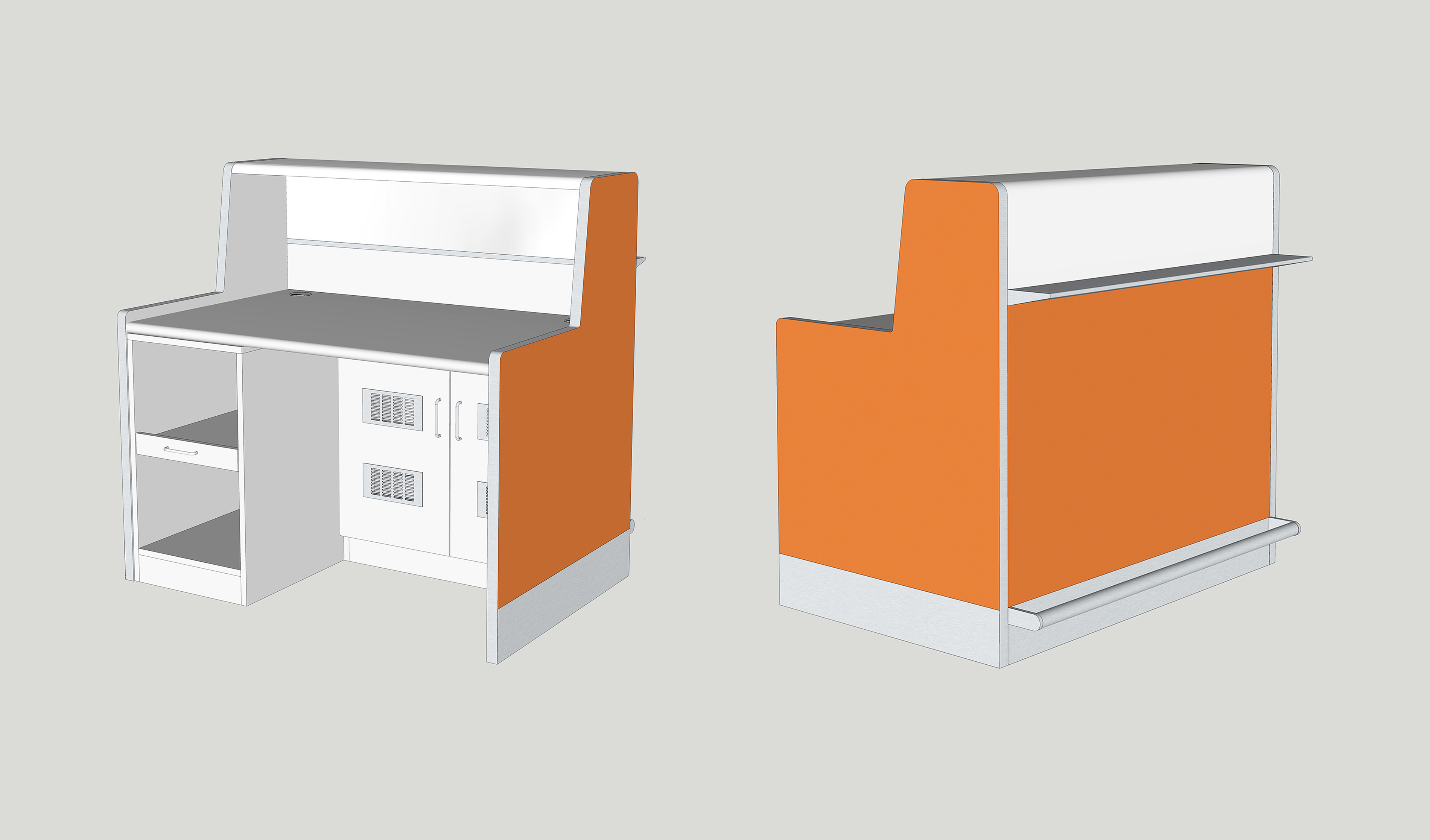
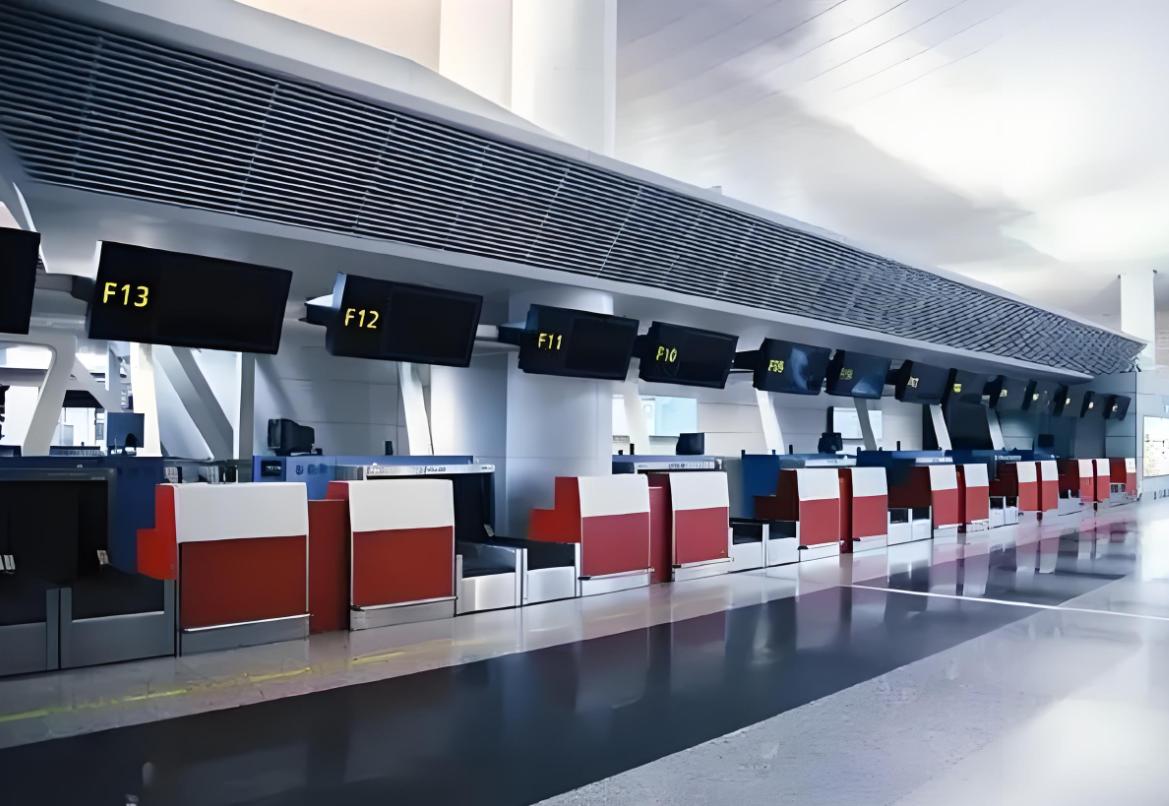
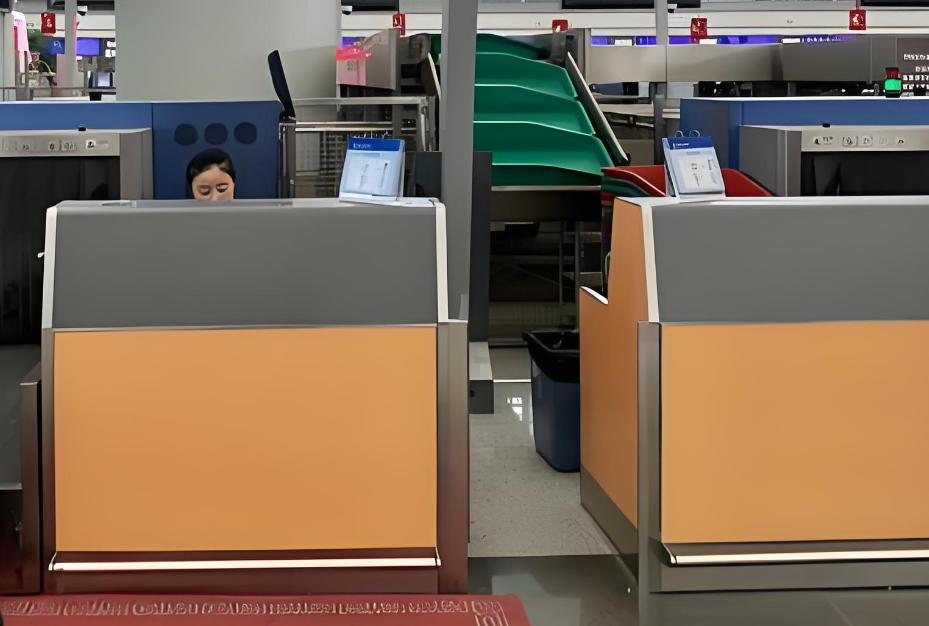
Check-in Counter
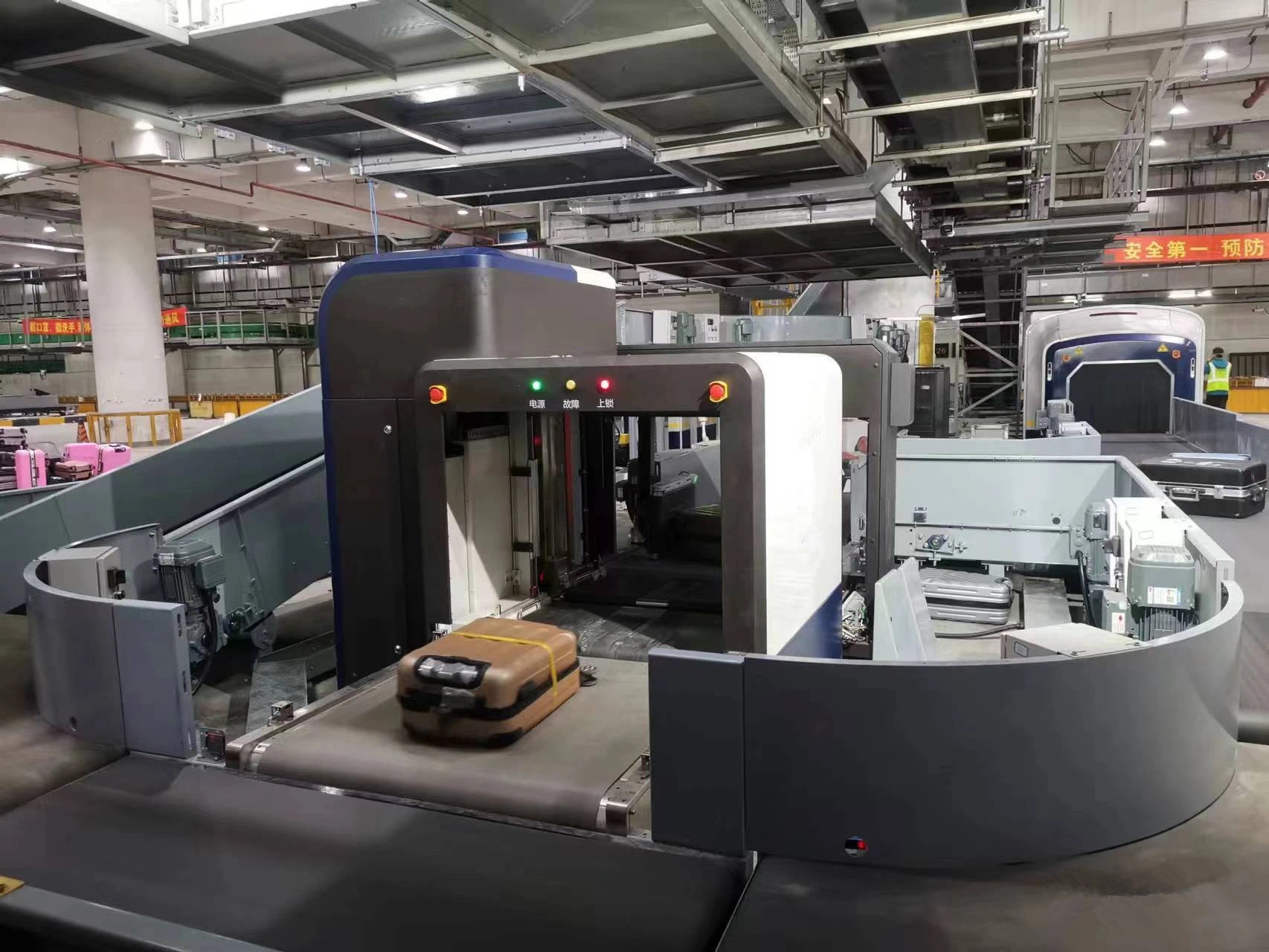
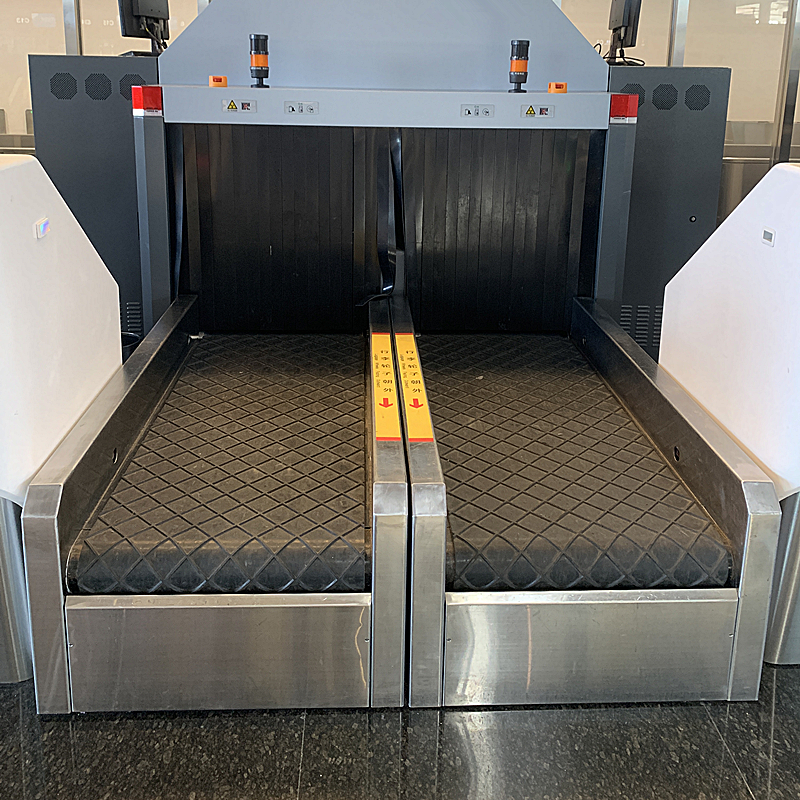
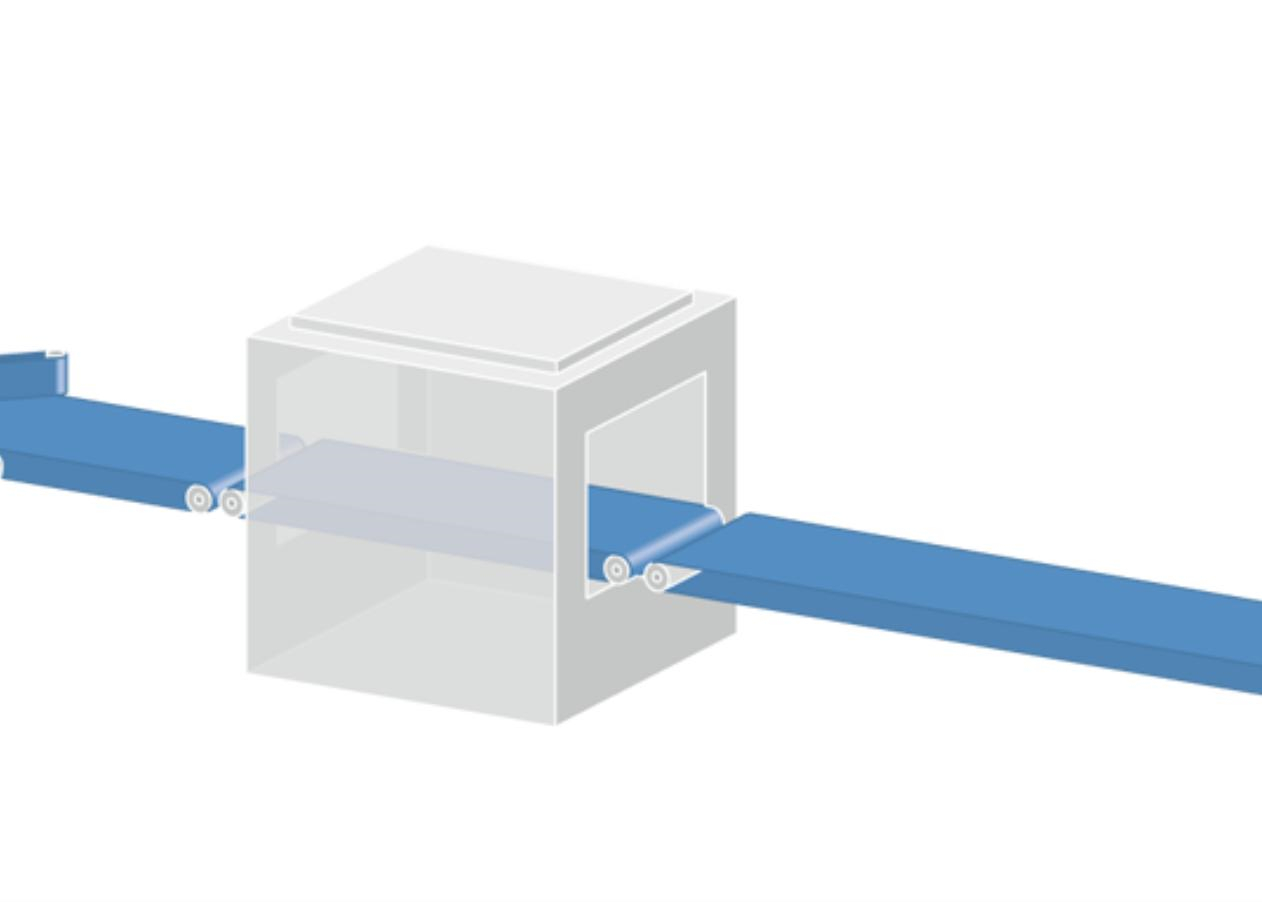
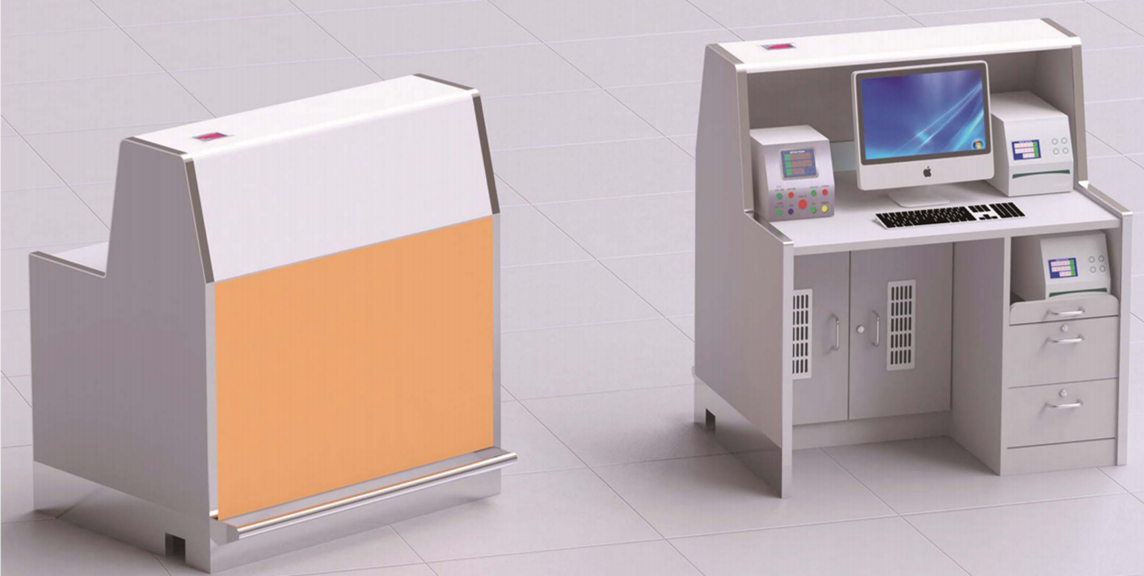
An electronic device that completes the inspection by sending the inspected luggage into the X-ray inspection channel via a conveyor belt. When the luggage enters the X-ray inspection channel, it blocks the package detection sensor, and the detection signal is sent to the system control part, generating an X-ray trigger signal that triggers the X-ray source to emit an X-ray beam. A fan-shaped X-ray beam passing through a collimator passes through the inspected items on the conveyor belt, and the X-rays are absorbed by the inspected items. The check-in counter is where baggage check-in, seat reservation, and boarding pass printing are handled during air travel. Currently, manual check-in remains the mainstream check-in method at domestic airports.
Types of check-in counters
The first type is the check-in counter for ordinary passengers, which generally handles two procedures: check-in and baggage check-in. If there are many bags, passengers need to seek assistance from professional staff to avoid flight delays caused by baggage issues.
The second type is the duty director counter, which is generally responsible for receiving VIP customers or first-class passengers of flights. Some airlines have a VIP mechanism, and the duty director is responsible for them. The characteristic is that they are very efficient and can quickly resolve customer issues, providing basically one-stop service.
The third type is the member check-in counter, which is generally open to VIP customers of airlines. It mainly provides ticket services for passengers and handles the boarding member system.
The fourth type is the special passenger service counter, which provides a more convenient and efficient channel for passengers who are elderly, weak, sick, disabled, pregnant, or traveling with children.